Jump to section
- Start with the wheels on the actual car
- Separate safe operation from return acceptance
- Get an installed replacement quote
- Ask about repairs before a pothole decides for you
- Read optional tire-and-wheel protection as a contract
- Watch wear while you can still correct the cause
- Prepare for return before buying replacements
- Use equipment costs to choose the right lease
- Key takeaways
- Frequently asked questions
The quick guide
Before you decide
- The wheel package belongs in your lease budget, not only your design choices.
- Safety requirements and lease-return standards answer different questions.
- Get replacement prices for the exact tire sizes before choosing the car.
Start with the wheels on the actual car
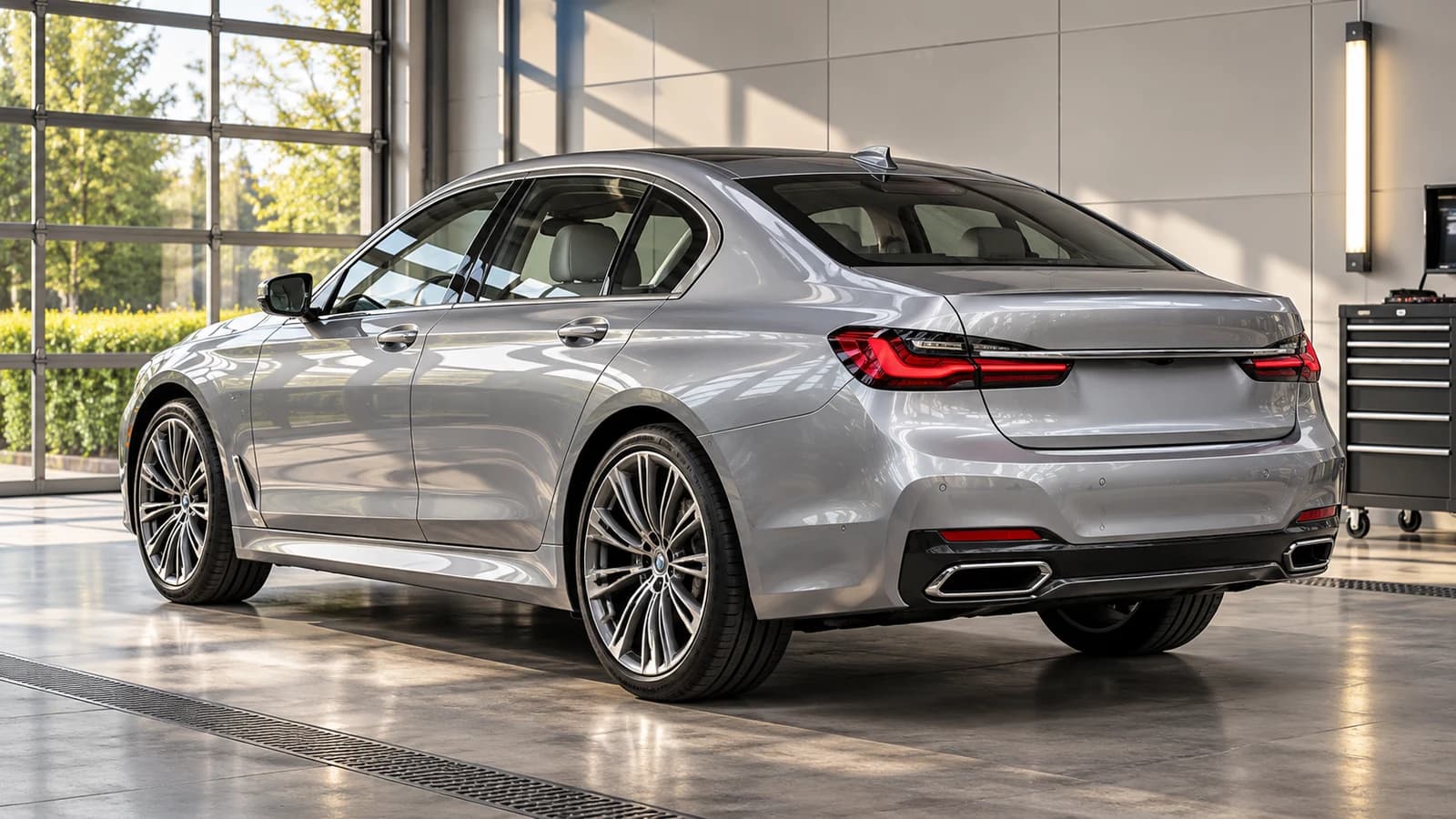
Two examples of the same luxury model can create different ownership budgets. The wheel and tire package on the quoted vehicle determines what you will eventually need to replace, how much local suppliers charge and which spare or repair arrangements you should understand. Do not price the smallest wheel in the brochure when your proposal has an optional larger package.
Ask for front and rear tire sizes, the tire category, and whether the fitment is staggered. Record the specification on your comparison sheet alongside term and mileage. If a salesperson describes a package as an upgrade, ask what it changes for your roads and budget. Appearance is a valid preference, but it deserves an informed price.
Separate safe operation from return acceptance
NHTSA recommends regular tire inspections and maintaining the vehicle manufacturer's recommended pressure. Use the pressure information for the vehicle and the instructions in its owner's manual, rather than treating the maximum printed on the tire sidewall as your normal target. Have damage or unusual wear assessed by a qualified tire professional.
The lessor's return standards are a separate document. A tire can require attention for safety before a return inspection, and a lessor can have contractual requirements beyond a driver's personal view of acceptable wear. Obtain the actual guide before assuming a particular tread depth, brand or repair will pass. No general leasing article can inspect your tires or replace those instructions.
Get an installed replacement quote
Request a written price for the specified tires with mounting, balancing, applicable taxes and disposal charges. Ask whether a matching tire is normally stocked locally or must be ordered. If the front and rear sizes differ, have the quote identify each size and quantity. A low online unit price is not the same as a complete installed price.
For example, suppose a set is quoted at an invented $1,600 installed and your planning horizon is 36 months. Reserving about $44.44 a month would build that amount over the term. This is a budgeting illustration, not a prediction of tire life or a current offer. Actual replacement timing depends on condition, use, maintenance and the specific equipment.
Ask about repairs before a pothole decides for you
Los Angeles commuting combines freeways, construction zones, parking ramps and occasional road damage. Before delivery, learn the car's roadside-assistance procedure and the supplied mobility equipment. Check whether the car has a spare, a repair kit or another arrangement, and ask how those instructions affect a damaged tire. Do not assume the equipment matches a previous model you owned.
If you damage a wheel, arrange an inspection rather than judging safety from a photograph. Ask the lessor what documentation or replacement specification would be required at return. A cosmetic wheel repair and a structural safety assessment solve different problems. Save invoices for any approved work, including replacement part and tire details.
- Match the vehicle
- Compare full costs
- Check the contract
- Request your quote
A framework for your comparison—not a guarantee of eligibility or cost.
Read optional tire-and-wheel protection as a contract
Protection products should be compared with the risks they actually cover. Ask for the contract before agreeing to the price. Identify exclusions, claim limits, deductibles, approved repairers, cancellation rules and whether cosmetic damage is treated differently from damage that makes the wheel or tire unusable. Ask who authorizes a claim and whether you pay first and seek reimbursement.
Then compare the full product cost with the uncovered exposure you can afford. Do not assume a product guarantees a charge-free lease return. Road-hazard protection, a tire warranty and a wear waiver can have different purposes. If the explanation relies on a verbal promise, request the relevant contract paragraph before including that promise in your decision.
Watch wear while you can still correct the cause
Create a recurring inspection habit rather than waiting for the lease-end notice. Ask your service provider to record tire condition and flag unusual wear. Follow the vehicle's maintenance instructions and get an alignment or other diagnosis when symptoms warrant it. A tire repeatedly losing pressure or wearing unevenly needs investigation, not a smaller allowance in next month's budget.
Ask whether rotation is appropriate for your actual configuration. Staggered sizes or directional equipment can change what is possible. Keep service records so you can establish what work was done and when. This also makes it easier to compare a proposed replacement with the original fitment instead of relying on memory or a generic model search.
Prepare for return before buying replacements
Request a pre-return inspection early enough to understand any findings. Ask for itemized tire or wheel concerns and the applicable standards. Compare a lessor's quoted charge with an acceptable repair or replacement, including time and installation, before authorizing work. Replacing something the contract would accept can waste money; ignoring a real issue can create a bigger problem.
Do not fit an arbitrary inexpensive tire simply to get through the final month. Confirm suitability, matching requirements and safety with the relevant professionals. If a replacement is needed, retain the invoice and photograph the completed work. At handover, follow the lessor's process for documenting vehicle condition and delivery of required equipment.
Use equipment costs to choose the right lease
Compare two cars on total expected cash rather than allowing the payment to absorb every decision. Put payment and upfront cost in one row, insurance and energy in another, and a reasonable tire reserve in a third. Add known scheduled service separately. This makes the wheel package's real impact visible without pretending anyone can predict every repair.
Tell us the model, preferred wheel appearance, annual miles and the roads you normally drive. We can compare available builds and provide lease proposals on matched terms. Ask a tire specialist for the equipment-specific replacement estimate, then decide whether a larger wheel is worth its cost to you. The best-looking configuration is easier to enjoy when its ongoing budget is understood.
Take it with you
Key takeaways
- The wheel package belongs in your lease budget, not only your design choices.
- Safety requirements and lease-return standards answer different questions.
- Get replacement prices for the exact tire sizes before choosing the car.
Put the assumptions in writing before comparing quotes.
Frequently asked questions
Does a lease include free replacement tires?
Do not assume it does. Check the lease, maintenance coverage and any separate protection contract for your specific vehicle.
Can I return the car with different tires?
Ask the lessor for its replacement and return standards. Have a qualified professional confirm that any proposed fitment is suitable.
Should I replace tires before the inspection?
Inspect safety concerns promptly. For return planning, obtain the lessor’s standards and an itemized assessment before buying replacements.
Will larger wheels always cost more?
Get installed quotes for the actual sizes. Equipment, availability and the chosen tire all matter; a general rule is not a quote.
Sources & editorial notes
Sources checked November 5, 2026. Examples are illustrative unless identified otherwise. Vehicle photos do not certify inventory, eligibility or current offers.
Explore your options
Your next step
Put real numbers beside the advice.
Tell us the car, mileage and budget you have in mind. We’ll help compare the available options.
Get a clear quote ↗Explore current deals