Jump to section
The quick guide
Before you decide
- Use your own lessor’s current wear guide rather than a rule borrowed from another brand.
- Inspect early enough to compare a charge with an acceptable repair.
- Return records, photos and the final statement matter after the keys are handed over.
Find the guide that applies to your agreement
Normal wear is expected, but the boundary between normal wear and chargeable damage depends on the lessor's rules and your agreement. Download the current return guide for your vehicle and account. Look for instructions about body panels, glass, wheels, tires, interior damage, equipment and repairs. A forum photograph cannot establish whether your own vehicle will be charged.
Ask where to schedule an approved inspection and whether it occurs before return, at return or afterward. Note the maturity date and work backward to leave time for appointments and questions. You want information while you can still choose an appropriate response, rather than after the car has gone.
Check the car in good light
Wash the exterior and clear personal items so the vehicle can be assessed. Walk around each panel in daylight and photograph damage from both close range and farther away. Include wheels, tire sidewalls, windshield, seats and cargo surfaces. Photograph the odometer and any warning messages without attempting to conceal a fault.
Gather supplied equipment such as keys, charge cables, parcel shelves or cargo covers where applicable. Verify what originally came with this particular vehicle. Ford Credit identifies missing equipment, poor repairs and unsuitable tires among potential wear-and-use issues. Use that as a reminder to check the whole car, then apply your own lessor's specific requirements.
Arrange the approved inspection
Use the inspection provider or process identified by the lessor. Porsche Financial Services, for example, describes a complimentary pre-inspection through its appointed provider. That example does not mean every lessor uses the same company or schedule. Confirm your inspection's scope, whether you must be present and how you will receive the report.
Before the appointment, ask whether service invoices or previous repair records should be available. Afterward, obtain a complete report rather than a verbal estimate. Check that the VIN and mileage are correct and that damage photographs correspond to your car. Flag factual errors promptly through the provider's stated process.
Source: Porsche Financial Services: vehicle return

Compare a repair with the actual proposed charge
Do not repair every scratch automatically. Compare the inspection assessment with an estimate for an acceptable repair and ask whether reinspection or proof is required. A repair costing more than a correctly assessed charge may not save money, while a poor repair could create another issue. The decision should use actual figures for your vehicle.
For an illustrative comparison, a $420 repair against a $650 assessed item has a $230 apparent difference before transport and other costs. That does not guarantee the repair will eliminate the charge. Ask what finish, parts and documentation the lessor accepts before authorizing work purely to change the return bill.
- Read the correct wear guide
- Inspect while options remain
- Compare repair and charge
- Keep return and settlement records
A framework for your comparison—not a guarantee of eligibility or cost.
Handle insurance and protection products separately
If damage may involve an insurance claim, ask your insurer about the event, deductible and repair process. Compare that route with paying directly using actual terms. Do not file a claim merely because a return guide mentions insurance. Allow time for any authorized repairs and retain the invoices and completion records.
If you bought a wear waiver or lease-end protection product, locate the contract rather than assuming the product name means unlimited coverage. Check eligibility, exclusions, per-item rules and claim instructions. Ask the administrator how approved benefits will be applied to the lessor's bill and what you should do if the initial statement arrives before reconciliation.
Document the handover
Confirm the authorized return location and appointment before driving there. A dealer selling your next brand may not be the approved recipient for the old lease. Obtain a return receipt showing the VIN, date and mileage, and retain the identity of the person accepting the vehicle. Photograph the car immediately before surrendering it.
Remove personal data from navigation, connected apps, garage door settings and paired devices using the manufacturer's instructions. Confirm what to do with license plates and insurance with the relevant providers. Do not discard inspection records when the keys change hands: the final account may arrive later and can contain items requiring review.
Reconcile the final statement
Compare the bill with the inspection report, documented repairs, mileage allowance and any confirmed waivers. Distinguish a condition charge from disposition fees or unpaid account amounts so you ask the right question. If an item seems wrong, contact the lessor using the dispute process and dates stated on the bill. Provide specific documents and photographs.
Keep copies of the communications and any revised statement. Do not assume a return receipt is a declaration that no future amount is due. Before replacing the vehicle, reserve enough room in your budget for the obligations your contract actually identifies. A clear return plan lets you compare your next lease without guessing about the old one.
Take it with you
Key takeaways
- Use your own lessor’s current wear guide rather than a rule borrowed from another brand.
- Inspect early enough to compare a charge with an acceptable repair.
- Return records, photos and the final statement matter after the keys are handed over.
Put the assumptions in writing before comparing quotes.
Frequently asked questions
Is every scratch charged at lease return?
No universal scratch rule applies. Use the lessor’s guide and inspection process to distinguish acceptable wear from chargeable damage.
Should I repair the car before inspection?
An early assessment can help you compare options. Ask the lessor how repairs and any required proof or reinspection are handled before spending money.
Does lease-end protection cover everything?
Read the product contract. Limits, excluded damage and administrative requirements can affect whether a specific charge receives a benefit.
What should I keep after returning the car?
Keep the inspection report, condition photos, repair invoices, return receipt, waiver confirmations and final account statements until the account is resolved.
Sources & editorial notes
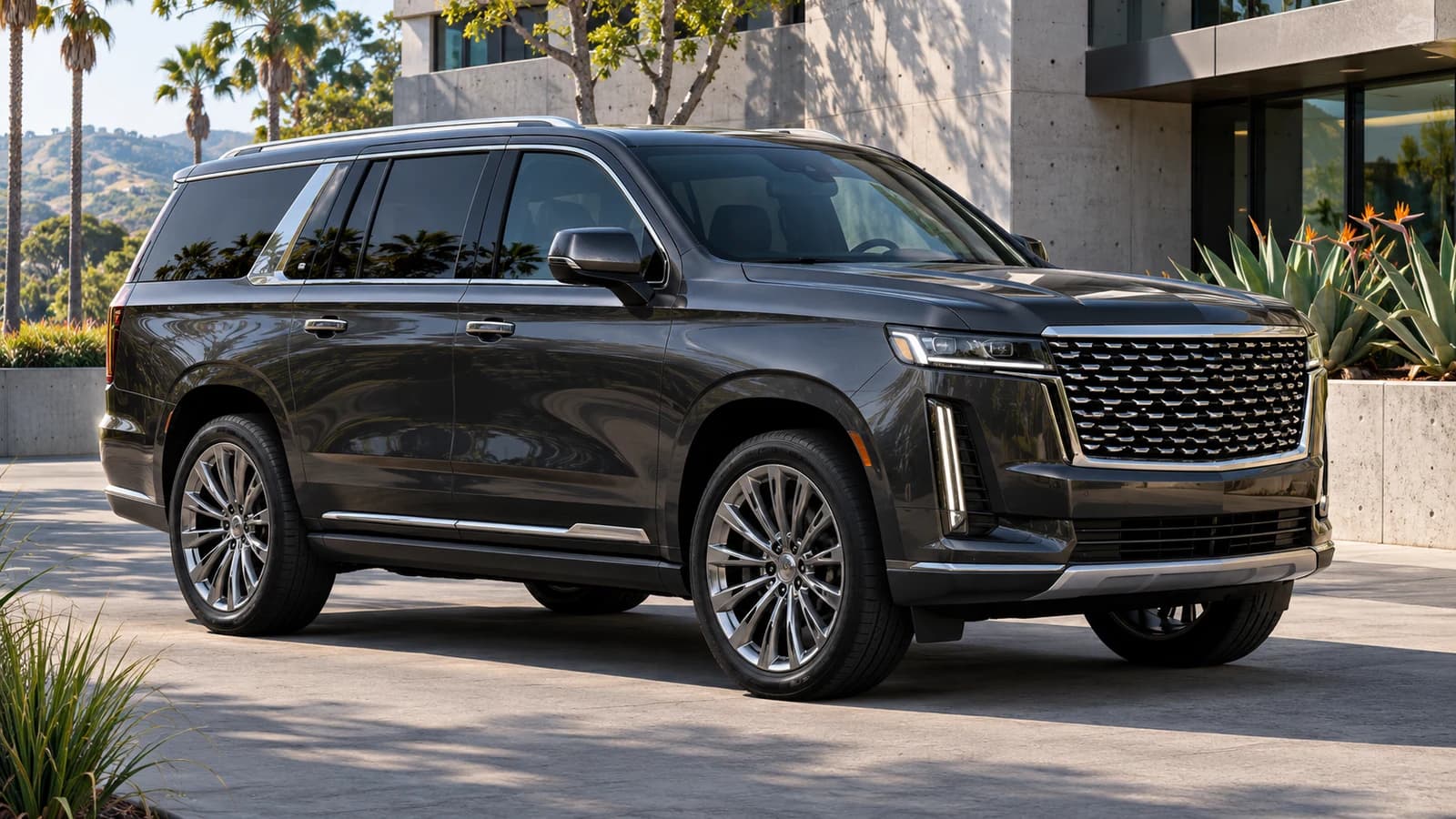
Sources checked November 5, 2026. Examples are illustrative unless identified otherwise. Vehicle photos do not certify inventory, eligibility or current offers.
Explore your options
Your next step
Put real numbers beside the advice.
Tell us the car, mileage and budget you have in mind. We’ll help compare the available options.
Get a clear quote ↗Explore current deals