Jump to section
- Two German titans in the high-volume compact luxury crossover lease segment
- Turbocharged powertrains, fuel economy, and driving dynamics
- Cockpit technology: BMW Operating System 9 versus Audi MMI Digital Stage
- Passenger comfort, cargo practicality, and daily versatility
- Lease structure comparison: captive residuals, interest rates, and incentives
- Cost of ownership: complimentary maintenance, Audi Care, and wear items
- Which compact luxury SUV should you choose?
- Key takeaways
- Frequently asked questions
The quick guide
Before you decide
- The BMW X3 and Audi Q5 represent the fiercely competitive core of the compact luxury crossover lease market.
- The BMW X3 offers sportier rear-biased handling, standard 3-year scheduled maintenance, and stronger captive residual values.
- The Audi Q5 delivers legendary standard quattro all-wheel drive, a plush ride, and attractive lease conquest incentives that create compelling monthly payment opportunities.
Two German titans in the high-volume compact luxury crossover lease segment
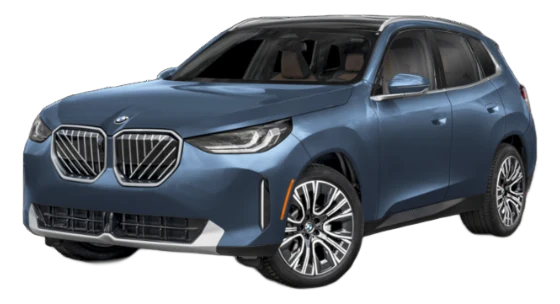
In the compact luxury crossover market, the BMW X3 and the Audi Q5 stand as the two perennial sales leaders in North America. For tens of thousands of suburban professionals, executives, and growing families, these versatile five-passenger crossovers serve as the gateway into European luxury motoring. Because both vehicles operate in the identical $48,000 to $65,000 price window, competition between BMW Financial Services and Audi Financial Services for lease volume is exceptionally intense.
Leasing in this segment is particularly advantageous. Manufacturers frequently target the X3 and Q5 with attractive promotional subvention, loyalty bonuses, and regional conquest incentives designed to lure drivers away from rival brands. However, subtle differences in captive lease formulas, standard equipment levels, and factory scheduled maintenance policies mean that two identical sticker prices can produce noticeably different monthly obligations.
Turbocharged powertrains, fuel economy, and driving dynamics
Both vehicles rely on refined 2.0-liter turbocharged four-cylinder engines as their primary volume configurations, but the driving dynamics reflect distinct corporate engineering philosophies.
The BMW X3 30 xDrive features BMW's 2.0-liter TwinPower Turbo inline-four paired with a 48-volt mild-hybrid system, generating 255 horsepower and 295 pound-feet of torque. The power flows through an eight-speed sport automatic transmission to BMW's rear-biased intelligent xDrive all-wheel-drive system. The X3 accelerates with athletic eagerness, reaching 60 miles per hour in approximately 6.0 seconds. For driving enthusiasts, the high-performance X3 M50 integrates an inline-six engine churning out 393 horsepower.
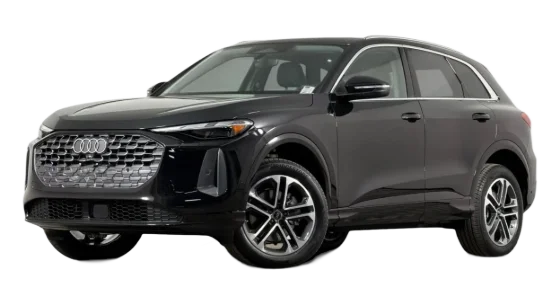
The Audi Q5 is powered by Audi's 2.0-liter TFSI turbocharged four-cylinder engine mated to a rapid-shifting seven-speed S tronic dual-clutch transmission. In popular 45 TFSI guise, the Q5 produces 261 horsepower and 273 pound-feet of torque, delivering a 0-60 mph sprint in 5.7 seconds. Every Q5 comes standard with Audi's renowned quattro all-wheel drive with ultra technology, which proactively disengages rear-axle drive during steady cruising to conserve fuel while seamlessly re-engaging all four wheels within milliseconds when slip is detected. For higher performance, the Audi SQ5 features a 349-horsepower 3.0-liter turbocharged V6.
On the road, the BMW X3 feels firmer, more communicative, and distinctly sharper through rapid cornering transitions. The Audi Q5 prioritizes an ultra-smooth, compliant ride that filters out broken pavement and road imperfections with serene composure.
Source: U.S. EPA Fuel Economy Guide: Compact Luxury Sport Utility Vehicles
Cockpit technology: BMW Operating System 9 versus Audi MMI Digital Stage
Stepping inside reveals two modern interpretations of digital driver assistance. The BMW X3 showcases the BMW Curved Display running Operating System 9, integrating Android-based app functionality, cloud-based navigation, and intelligent personal assistant voice commands. The interior adopts a minimalist, architectural theme featuring ambient interior lighting elements and intuitive digital climate controls integrated directly into the touchscreen glass.
The Audi Q5 counters with Audi's acclaimed Digital Stage architecture. Centered around the iconic Audi virtual cockpit plus—a 12.3-inch high-definition digital cluster directly behind the steering wheel—the driver enjoys customizable full-screen Google Earth satellite maps and driving telemetry. The central 10.1-inch MMI touch display provides haptic feedback and wireless connectivity for Apple CarPlay and Android Auto. Audi's cabin retains physical, tactile rotary dials for climate temperature adjustments, which many drivers prefer for quick adjustments while driving.
Passenger comfort, cargo practicality, and daily versatility
Practicality is a primary driver in the compact luxury SUV segment, and both vehicles execute the family hauler mission admirably. Front-seat occupants in both models enjoy multi-way power-adjustable seating with available heating, ventilation, and memory functions.
In the second row, both vehicles accommodate three adults or two child car seats comfortably. The Audi Q5 features standard sliding and reclining rear seatbacks, allowing passengers to trade a few inches of legroom for additional cargo volume. However, the BMW X3 offers slightly greater overall cargo capacity, providing 31.5 cubic feet behind the second row and expanding to 67.1 cubic feet with the rear seats folded. The Audi Q5 provides 25.8 cubic feet behind the upright seats, opening to 54.0 cubic feet of total cargo volume.
| Comparison Metric & Specification | BMW X3 (30 xDrive / M50) | Audi Q5 (45 TFSI / SQ5) |
|---|---|---|
| Standard Engine & Horsepower | 2.0L Turbo 4-cyl (255 hp / 295 lb-ft) | 2.0L Turbo 4-cyl (261 hp / 273 lb-ft) |
| Transmission & Drivetrain | 8-Speed Automatic / Rear-Biased xDrive | 7-Speed Dual-Clutch / quattro All-Wheel Drive |
| Cargo Volume (Rear / Max) | 31.5 cu. ft. / 67.1 cu. ft. | 25.8 cu. ft. / 54.0 cu. ft. (Sliding 2nd Row) |
| Typical Window Sticker MSRP | $50,500 to $56,000 (Core Models) | $49,000 to $55,500 (Premium Plus) |
| Typical 36-Month Lease Payment | $599 - $699 / month + tax | $579 - $679 / month + tax |
| Typical Drive-Off Capital Required | First month + bank fee + DMV fees (~$2,000) | First month + bank fee + DMV fees (~$2,000) |
| Scheduled Maintenance Inclusion | Included 3 yrs / 36,000 miles (BMW Ultimate Care) | Optional Audi Care prepaid package ($1,100-$1,400) |
- Compare 36-month lease payments on matching MSRP builds
- Factor BMW complimentary maintenance vs. Audi Care residual bump
- Check eligibility for Audi competitive conquest rebates
- Evaluate rear cargo capacity vs. passenger sliding seats
A framework for your comparison—not a guarantee of eligibility or cost.
Lease structure comparison: captive residuals, interest rates, and incentives
When evaluating 36-month lease offers on matching $53,000 window sticker baselines, the financial programs from BMW Financial Services and Audi Financial Services reveal intriguing strategic differences.
BMW Financial Services typically assigns the X3 a generous 36-month residual value between 56% and 58% for 10,000-mile leases. BMW's tier-one money factor frequently hovers around 0.00200 (4.8% APR). On an MSRP of $53,000 with a negotiated 7% dealer discount down to $49,290, a 57% residual ($30,210) results in $19,080 of net depreciation over 36 months, equating to approximately $625 per month before sales tax.
Audi Financial Services often sets the Q5 residual slightly lower, typically between 54% and 56% ($28,620 to $29,680 on a $53,000 MSRP). However, Audi frequently offsets this lower residual by releasing aggressive national lease cash credits ($1,500 to $2,500) and substantial conquest rebates for customers currently leasing a competitor's vehicle. Furthermore, Audi allows dealers to discount existing inventory deeply toward the end of quarter cycles. Consequently, while the Q5's scheduled depreciation is marginally higher on paper, promotional rebates often level the monthly lease payment to within $20 to $30 of the X3.
Source: Consumer Financial Protection Bureau: Auto Loan and Lease Financing Disclosure Standards
Cost of ownership: complimentary maintenance, Audi Care, and wear items
Over the three-year duration of a closed-end lease, routine operating expenses can shift the overall cost advantage between these two German competitors.
The BMW X3 comes standard with 'BMW Ultimate Care', covering factory-recommended oil changes, cabin air filter replacements, and brake fluid flushes for the full 3-year or 36,000-mile lease duration at zero out-of-pocket cost.
Audi does not include standard complimentary scheduled maintenance. To avoid paying out-of-pocket for mandatory 10,000-mile, 20,000-mile, and 30,000-mile services at retail dealership rates, Audi lessees are strongly encouraged to purchase 'Audi Care'. Audi Care costs approximately $1,100 to $1,400, but Audi Financial Services provides a significant incentive: purchasing Audi Care automatically raises the vehicle's residual value by 1 percentage point (worth roughly $530 on a $53,000 car), effectively cutting the net cost of the maintenance package in half over 36 months.
Both the X3 and Q5 run on premium 19-inch or 20-inch all-season touring tires. Because both vehicles are equipped with balanced all-wheel drive, tire wear across front and rear axles is remarkably even, typically lasting between 25,000 and 32,000 miles under normal driving conditions.
Which compact luxury SUV should you choose?
Both the BMW X3 and Audi Q5 deliver world-class build quality, premium comfort, and outstanding safety ratings.
Consider the following concluding recommendations before requesting dealer quotes:
- Choose the BMW X3 if you desire a sportier, more engaging driving experience, larger rear cargo capacity, and the convenience of complimentary 3-year maintenance included in the base price.
- Choose the Audi Q5 if you prioritize standard quattro all-wheel drive, a plush ride quality, intuitive physical climate controls, and access to aggressive competitive conquest lease cash rebates.
- Request full transparency on captive finance parameters: confirm the vehicle's gross capitalized cost, applied lease incentives, money factor, and contract residual value.
- If choosing the Audi Q5, always add Audi Care to benefit from the 1% residual value bump offered by Audi Financial Services.
Take it with you
Key takeaways
- The BMW X3 and Audi Q5 represent the fiercely competitive core of the compact luxury crossover lease market.
- The BMW X3 offers sportier rear-biased handling, standard 3-year scheduled maintenance, and stronger captive residual values.
- The Audi Q5 delivers legendary standard quattro all-wheel drive, a plush ride, and attractive lease conquest incentives that create compelling monthly payment opportunities.
Put the assumptions in writing before comparing quotes.
Frequently asked questions
Is the BMW X3 or Audi Q5 cheaper to lease?
Both vehicles lease in the $580 to $690 monthly range. The BMW X3 often holds a higher residual value and includes free maintenance, while the Audi Q5 frequently benefits from larger promotional manufacturer lease cash and conquest rebates that balance the monthly payment.
What is Audi Care and should I get it on a Q5 lease?
Audi Care is a prepaid scheduled maintenance plan covering services up to 40,000 miles. On a lease, Audi Financial Services raises the vehicle's residual value by 1% when Audi Care is added, which significantly reduces the effective monthly cost of the package.
Does the BMW X3 or Audi Q5 have more cargo space?
The BMW X3 offers greater cargo capacity, with 31.5 cubic feet behind the second row (expanding to 67.1 cubic feet), compared to the Audi Q5's 25.8 cubic feet (expanding to 54.0 cubic feet).
Is all-wheel drive standard on both the X3 and Q5?
Audi makes quattro all-wheel drive standard on all Q5 models. BMW offers the X3 in both rear-wheel drive (sDrive) and all-wheel drive (xDrive), though most dealer inventory in colder and luxury markets is equipped with xDrive.
Sources & editorial notes
Sources checked November 5, 2026. Examples are illustrative unless identified otherwise. Vehicle photos do not certify inventory, eligibility or current offers.
Explore your options
Your next step
Put real numbers beside the advice.
Tell us the car, mileage and budget you have in mind. We’ll help compare the available options.
Get a clear quote ↗Explore current deals