Jump to section
- Prepare the handover before delivery day
- Verify insurance and release conditions
- Check the documents against the actual car
- Inspect visible condition in useful lighting
- Inventory keys, cables and agreed accessories
- Separate the issue from the party who can resolve it
- Make the first drive an orientation, not a rush
- Close the loop after handover
- Key takeaways
- Frequently asked questions
The quick guide
Before you decide
- Confirm insurance, documents and access before the truck arrives.
- Inspect the actual vehicle and record its condition.
- Separate transport issues from dealer or contract questions.
Prepare the handover before delivery day
Ask which business coordinates delivery and which company actually transports the car. Obtain a delivery window, contact details and the instructions for receiving the vehicle. Confirm whether you must be present or whether an authorized recipient is permitted. Tell the coordinator about gated access, narrow streets, height restrictions or a destination where a large carrier cannot safely stop. Agree on a practical alternative location if necessary. A delivery plan should be clear enough that you are not asked to improvise a payment, signature or roadside meeting when the truck is already waiting.
Verify insurance and release conditions
Ask the dealer and lessor what must be complete before the car can leave, including signing, funds and proof of insurance. Confirm the effective date and VIN with your insurer and ask about any required lessor listing. Do not assume the vehicle is insured for your use because a carrier has transport coverage or because you already insure another car. Keep the registration or temporary operating documentation instructions available. If an item is unresolved, raise it before dispatch rather than treating delivery as the moment to find out whether the transaction can be completed.
| Before signing the handover | Record | If it differs from the agreement |
|---|---|---|
| Identity of the car | VIN and odometer | Resolve a VIN or mileage discrepancy before acceptance |
| Exterior and wheels | Dated photos in usable light | List damage on the delivery report and contact the responsible party |
| Equipment and keys | Agreed options, keys and charging equipment where applicable | Record missing items and the written resolution |
| Documents and numbers | Accepted quote and final agreement | Ask for the reason and corrected documents before signing |
Check the documents against the actual car
When the vehicle arrives, compare its VIN with the lease and handover documents. Confirm the model, exterior and interior specification and the odometer reading. Check that the keys and agreed equipment belong to that vehicle. If a substituted car arrives, stop and ask the dealer to explain before accepting documents that describe another VIN. Record the discrepancy through the agreed process. A lease proposal, carrier receipt and registration packet have different purposes; review each relevant item rather than assuming one signature verifies everything about the transaction.
Inspect visible condition in useful lighting
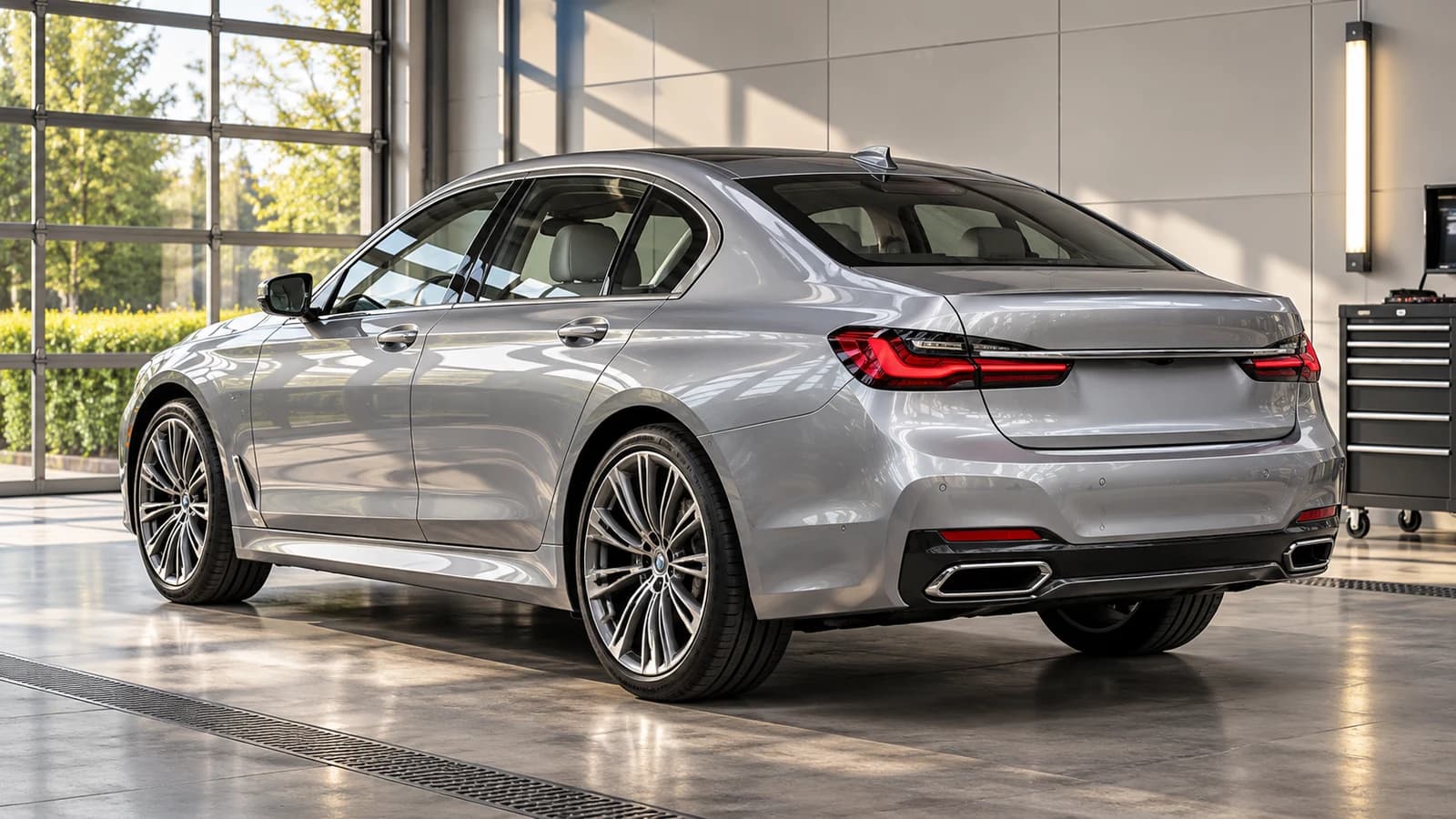
Walk around the car before treating the handover as complete. Look at wheels, glass, bumpers, mirrors, roof edges and visible body panels. Check the interior for obvious damage or missing trim. Take clear photos that show both the whole vehicle and any specific concern; include an odometer image. If it is dark or raining, ask how the delivery process handles inspection limitations and document what you can actually observe. Do not sign a statement you know is inaccurate. Follow the stated reporting procedure promptly instead of assuming an informal photo text automatically opens a claim.
- Prepare access
- Match VIN and terms
- Record condition
- Track open items
A framework for your comparison—not a guarantee of eligibility or cost.
Inventory keys, cables and agreed accessories
Count the keys and check items specifically included in the deal. Depending on the vehicle, that may include charging equipment, adapters, floor mats, cargo covers, wheel-lock tools or manuals. Avoid assuming every accessory is standard across years and trims. Compare against the written equipment list and ask the dealer how any missing item will be supplied. For an EV, verify the connector and equipment actually provided before planning your first charging stop. A missing cable and an incompatible public charger are different problems; both are easier to resolve before the car is your only transport.
Separate the issue from the party who can resolve it
A driver may record transport condition but may not have authority to approve repairs, change your contract or supply a missing factory option. Identify the dealer contact for vehicle specification and transaction questions, and the carrier contact for shipping damage or delivery records. Notify the relevant party using its stated process and keep the response with your photos. If a repair or replacement is proposed, get the scope, responsible payer and next step in writing. Do not rely on a vague assurance that another business will take care of it later.
Make the first drive an orientation, not a rush
Before leaving the handover location, learn the controls needed to drive safely: seat and mirror adjustment, lights, wipers, gear selection and parking brake. Confirm the fuel or charge level is sufficient for the next planned stop. Pair your phone and explore nonessential features after the vehicle is safely parked. Ask for the manufacturer’s manual or official support resource for model-specific operation rather than guessing how a new driver-assistance feature works. If a warning or obvious mechanical concern appears, document it and contact the dealer before assuming it is a normal part of delivery.
Close the loop after handover
Store the lease, proposal, condition record, photos, insurance confirmation and contact details together. Note any unresolved item and its promised next action, and follow up through the same documented channel. Set reminders for the lease term, mileage tracking and required care so the first week does not become the last time you read the agreement. If the dealer is handling registration, ask how you will know it has been completed and where documents will be sent. LuxConcierge can help coordinate a delivery discussion; confirm the actual carrier arrangements and responsibilities for your own vehicle.
Source: California DMV: clarify dealer registration handling
- Have the approved recipient, insurance and required documents ready.
- Match VIN and odometer with the transaction and transport records.
- Photograph visible condition and record any inspection limitations.
- Count keys and verify agreed cables, tools and accessories.
- Keep issue-specific contacts and obtain written next steps for unresolved items.
Take it with you
Key takeaways
- Confirm insurance, documents and access before the truck arrives.
- Inspect the actual vehicle and record its condition.
- Separate transport issues from dealer or contract questions.
Put the assumptions in writing before comparing quotes.
Frequently asked questions
Should I inspect the car before signing the delivery record?
Read what the record states and inspect as the agreed process allows. Document visible condition and any limitations, and do not knowingly confirm an inaccurate clean-condition statement.
Does carrier coverage replace my car insurance?
Do not assume so. Confirm your own policy’s effective date and the lessor’s requirements separately. Ask the transport company what its coverage and claim process address during shipment.
What if an accessory is missing?
Compare the delivered items with the written agreement and contact the dealer. Record what is absent and ask for a specific supply or correction plan instead of assuming the driver can resolve it.
Who should I contact about damage noticed at arrival?
Follow the stated delivery and claim process promptly. Keep photos and the condition record, and distinguish a carrier damage issue from a dealer specification or preexisting-condition question.
Sources & editorial notes
Sources checked November 5, 2026. Examples are illustrative unless identified otherwise. Vehicle photos do not certify inventory, eligibility or current offers.
Explore your options
Your next step
Put real numbers beside the advice.
Tell us the car, mileage and budget you have in mind. We’ll help compare the available options.
Get a clear quote ↗Explore current deals